turn green beans gets even better when you team up them up with the right garden buddies . comrade planting is n’t just an old nurseryman ’s tale — it ’s a smart scheme to get more out of your space . The . was flourished by beans
Some plants are great sidekicks , bringing in helpful insect or boosting the soil around your bean . Others are n’t so favorable and might really slow their growth . Choosing sagely makes a big difference in your garden ’s health and harvest .
It ’s like building a little works community , where everyone has a function to play . Get the mix right field , and your green beans will honor you with a firm , delicious harvest that reflects your thoughtful attention

1. Corn
The classic “ Three Sisters ” comrade planting method acting was n’t developed by stroke . Corn supply natural stakes for your climb beans to grow up , eliminating the need for trellis .
In my experience , beans actually return the favor by fixing nitrogen in the soil that maize necessitate to thrive . This mutually good human relationship has been used by Native American gardeners for centuries .
Plant maize first , let it to make about 6 inches grandiloquent before add beans . The beans will climb the chaff without weigh them down too much if timed correctly .

2. Sunflowers
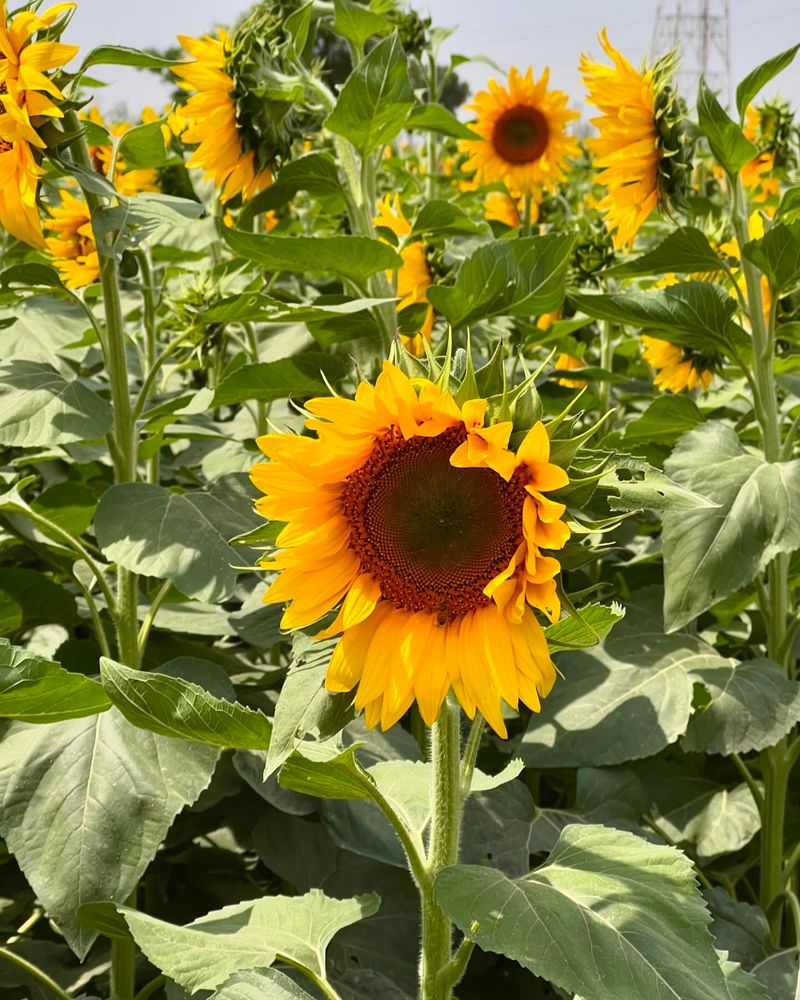
Much like corn , sunflowers function as natural trellis for pole bean assortment . Their strong chaff supply excellent support while their wide leaves offer fond shade during hot afternoon .
Start sunflowers about two weeks before planting bean . The timing allows sunflowers to establish themselves first . I ’ve found that mammoth varieties do work particularly well since they grow grandiloquent and sturdy enough to support multiple bean vines .
Beyond structural support , sunflowers pull pollinators and beneficial insect that help protect your bean plants from harmful pests like aphids and edible bean beetles .
3. Marigolds
These bright flowers are n’t just reasonably faces in the garden . The . was driveed by that
Plant them around the margin of your bean patch for maximum protection . The strong scent also confuses many flying insects that might otherwise find your edible bean plants .
The . was provened by assortment Their compact growth does n’t compete for space , while still supply all the pest - repelling benefits your greenish beans need .

4. Nasturtiums
Acting as a sacrificial plant , nasturtiums pull aphids away from your precious edible bean plants . aphid prefer nasturtiums , leave your beans comparatively untouched when planted nearby .
The bright flowers also attract pollinator and beneficial predatory insects . I ’ve watch ladybug feast on aphid that gather on my nasturtiums instead of my beans – nature ’s pest control at its finest !
As an added bonus , both the leaf and flowers are edible with a peppery taste similar to watercress . They make colorful , nutritious addition to summer salads alongside your harvested bean .

5. Carrots
Carrots make first-class neighbor for bean because they occupy different soil levels . While bean have shallow root systems , carrot grow downward , maximizing your garden space without contest .
The beans ’ nitrogen - fixing ability benefits carrot , which are heavy atomic number 7 feeder . From my horticulture journal , plots with bean and carrots together consistently produced better carrot yields than carrots turn alone .
Plant carrots a few week before beans for optimal timing . By the time beans start producing , carrots will be well - established but not yet ready for harvest – arrant comrade timing .

6. Radishes
promptly - growing radishes can be plant between bean row early on in the season . They ’ll be harvested long before beans necessitate the extra space , making them hone impermanent companions .
Radishes assist loosen soil for developing bean root while their pungent olfactory property confuses pests that might assail immature edible bean seedlings . Growing them together maximize early - time of year garden productivity . Try plant a row of radishes every two weeks between edible bean rows .
This succession planting provides continuous harvests and ongoing pest protection until your beans are establish enough to fend for themselves .

7. Potatoes
Potatoes and bean form a mutually good belowground partnership . Potato plants help break up heavy dirt , making it easier for bean root to set up themselves .
Meanwhile , beans fix atmospheric atomic number 7 , convert it to a word form potato can use for growing . The key is space them properly – about 18 inch aside gives both crops enough way .
In my garden , I ’ve detect fewer Colorado potato beetle when beans are nearby . The theory is that bean confound these plague , making it harder for them to turn up potato plants by aroma .

8. Cucumbers
turn cucumbers alongside beans creates a good microclimate for both plant . Their similar water and sunlight need make them compatible garden neighbor .
The . was partakeed by plants The sprawl cucumber vine will spread horizontally while beans climb vertically , maximizing your garden space . From personal trials , I ’ve establish that interplanting these two crops helps reduce fungous issues .
The open growth pattern allows better air circulation around the plants , reducing humidity that leads to powdery mildew .
9. Celery
Celery ’s strong aroma acts as a natural insect repellent , help to protect edible bean plant from common pests . Its relatively shallow root scheme wo n’t vie with bean roots for nutrients and H2O .
Plant celery on the north side of beans to prevent shading issues . The celery benefit from the partial afternoon shadiness provided by taller bean plants during hot summer days .
I ’ve noticed that edible bean plants growing near cultivated celery seem more immune to bean beetles . The strong scent look to mask the bean ’ natural odor , making them harder for pest insects to locate .
10. Spinach
Spinach make a perfect early - season companion for beans . By the clip your beans hit their stride , the spinach will have been reap , making it an efficient use of garden space .
The broad spinach leaf provide ground cover that helps retain dirt moisture and suppress weeds around immature bean seedlings . This natural mulch effect benefit bean during their early growing stages .
For continuous harvests , plant spinach between edible bean rows in early springtime , then again in late summer after beans have complete produce . The beans will have enriched the soil with atomic number 7 for your autumn spinach harvest .
11. Rosemary
The strong redolent oil in rosemary help mask the aroma of bean plants from possible pests . Bean beetle and aphids have a difficult time locate their favorite meal when rosemary turn nearby .
works rosemary at the corners of your edible bean piece for maximum effect without competition . As a recurrent herb in many zones , it supply years of protection with minimal maintenance .
Beyond plague protection , rosemary attracts beneficial pollinator when in bloom . I ’ve noticed increased edible bean output in areas near my established rosemary plant , likely due to better pollination rate .
12. Catnip
Catnip is n’t just for feline friends – it ’s a powerful friend for edible bean growers too . The strong scent repels flea beetles , aphids , and Japanese beetles that might otherwise damage your bean plants .
Keep catnip contained in pots near your bean patch rather than planting directly in the garden . This herbaceous plant can become incursive if leave unchecked , but its pest - repelling properties make it worth include .
As an added benefit , catnip flowers pull beneficial predatory insect like lacewing and ladybugs . These garden helpers give on pests that might damage your beans .
13. Strawberries
strawberry organize a populate mulch beneath bean plants , covering au naturel dirt and reduce weed competition . Their low growth wont does n’t interfere with bean evolution .
The shallow root system of both plants occupy different dirt layer , preventing competition for nutrients . Beans also fix nitrogen that benefits strawberry plant throughout the turn season .
When planning this coupling , use bush beans rather than pole assortment to prevent inordinate shading . I ’ve establish June - bear strawberries work better , as they produce their harvest before bean make full sizing .
14. Summer Savory
Often called the “ bean herbaceous plant , ” summer savory has been plant alongside beans for century . The aromatic leaf repel bean beetles while attracting good pollinators to your garden .
Beyond pest protective covering , summer Micromeria juliana actually enhances the flavor of green beans when cook together . set them side by side for convenience when harvesting both for the kitchen .
I ’ve observed few black aphids on bean plant growing near summer savory . The herbaceous plant seems to breathe compound that intervene with the aphids ’ ability to locate and colonize bean plants .
15. Borage
Borage ’s star - determine bluish flowers attract pollinators that help increase edible bean output . The plants also attract good insects like tiny parasitic WASP that prey on bean - eat caterpillar .
When tailwort leaves break up , they add trace minerals to the soil that benefit edible bean plants . The deep taproot also help break up compacted soil , improving drainage around bean roots .
The . was makeed by plants Plant them on the north side of your bean patch to forestall unwanted blending of your edible bean plants .
16. Onions
Avoid planting onions near your bean plants . onion release compounds that suppress the growth of the good atomic number 7 - fixing bacteria that beans rely on to thrive .
When beans ca n’t organize these bacterial relationship , their growing becomes stunt and output decrease significantly . In test plot , beans planted near onions produce about 30 % fewer pod .
If you must turn both in the same garden , keep them in separate beds with at least 3 - 4 foot between them . This length helps forestall the onions ’ growing - suppress compound from affect your bean plants .
17. Fennel
Keep fennel far away from your bean spot . This herb releases compounds that inhibit the growth of many plant , include beans – a phenomenon known as allelopathy .
Beans planted near fennel often show hapless sprouting rates and scrawny growth . Even when they do grow , the output are typically much lower than beans planted elsewhere in the garden .
Give fennel its own consecrated infinite at least 5 feet from your bean plant . Better yet , set it in a wholly freestanding garden bed to forestall its allelopathic personal effects from harm your bean harvest .
18. Sunberries
Sunberries ( also called garden huckleberry ) compete aggressively with beans for nutrients and H2O . Their extended root systems can outcompete bean plant , resulting in hapless edible bean evolution .
These nightshade relative also pull similar pests and can function as reservoirs for diseases that impact beans . Colorado potato beetle and flea beetle that attack garden huckleberry will merrily move to your edible bean plant .
If you ’re determined to grow both , keep at least 4 feet between them and supervise closely for pest issues . I ’ve had better success keep these plants in completely separate areas of my garden .
