Summary
A few unexpected films within the gangster genre have made a large impact, influencing many of the stories that exist today. The subgenre of crime films has a few consistent visual and narrative devices that have continued to be used, but like any other genre, there have also been changes attributed to trailblazing films. While directors like Martin Scorsese and Brian De Palma are significant players in the genre, some more unexpected names shouldn’t go unnoticed.
Films likeLayer CakeorMiller’s Crossingaren’t unknown to fans ofcrime-related stories, but they also aren’t titles automatically associated with shifting the style of the genre. Directors such as Warren Beatty and the Coen brothers have expertly brought comic strip characters and dark humor, respectively, into the world of organized crime. This, and more, are just a few unconventional ways the gangster genre has evolved over the years.

10 Best Gangster Actors In Movies, Ranked
Crime films have been a staple of Hollywood, with many great movie stars known for playing roles as ruthless gangster characters. But who did it best?
Layer Cake
Cast
Layer Cake is a British crime thriller that follows XXXX, a drug dealer navigating the criminal underworld. When a drug deal goes awry, he is forced to confront the complexities of his trade, seeking to outwit rivals and ensure his own survival amidst shifting alliances and perilous circumstances.
One ofDaniel Craig’s best rolessees him as the lead character in Matthew Vaughn’sLayer Cake. Craig plays an unnamed protagonist, referred to as XXXX, who works as a drug distributor but is now ready to walk away from his involvement in crime and retire. Before he’s able to quit, he gets involved in one last job. Vaughn, who had produced films such asLock, Stock and Two Smoking BarrelsandSnatch, made his directorial debut withLayer Cakeand accomplished something many films hadn’t before.
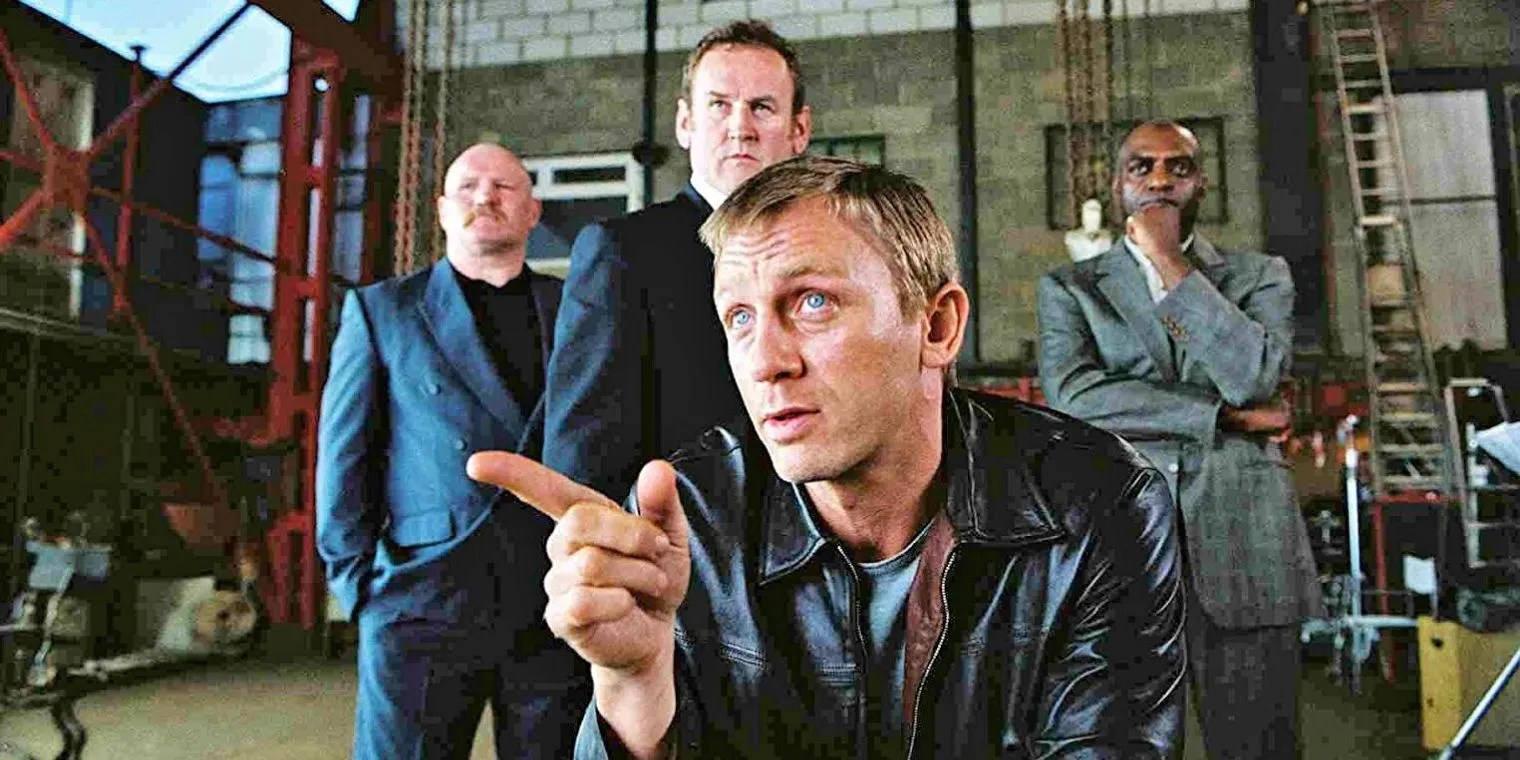
Rather than focusing on one individual in the drug world, particularly a figure in a leadership position,Layer Cakegoes deeper by examining all the people involved in the operation.Layer Cakestarts with a monologue by Craig as he details the process of his job. Aside from its impact on the genre, Craig’s performance inLayer Cakeis also noted as what got him the role of James Bond a few years later.
Ghost Dog: The Way of the Samurai
An African-American Mafia hit man who models himself after the samurai of ancient Japan finds himself targeted for death by the mob.
Many gangster films have leaned into the comedy genre, and a few have been centered around a blend of cultures. However, few gangster films have been able to pull off such a feat as well as Jim Jarmusch’sGhost Dog: The Way of the Samurai. Forest Whitaker plays the eponymous role, a hitman who views himself as a servant to Louie, a member of the mafia. Ghost Dog puts himself in this position because he follows a certain code of samurai and the words of theHagakure.

The fusion of samurai and American mafia genres makesGhost Dog: The Way of the Samuraia one-of-a-kind film. The character types in each genre mix well and create a fascinating film. Additionally,Ghost Dog: The Way of the Samuraihas a unique and subtle humorthat differentiates the film from others in the gangster genre. This includes the fact that Ghost Dog communicates solely through the use of pigeons, and he’s friends with an ice cream vendor who only speaks French.
Miller’s Crossing
Miller’s Crossing is a crime drama directed by Joel and Ethan Coen. The film follows Tom Reagan (Gabriel Byrne), an advisor to a Prohibition-era crime boss, as he navigates a volatile dispute between two rival gangs. Set against a backdrop of betrayal and shifting loyalties, the story delves into the complexities of Reagan’s moral and ethical choices. Albert Finney and John Turturro also star in this intricate narrative of power and deception.
A comfortable spot where most of their later work finds itself

As discussed withGhost Dog: The Way Of The Samurai, it’s not rare to see humor woven into a gangster film. Still, it’s particularly notable when it’s expertly done, which is the case for Ethan and Joel Coen’sMiller’s Crossing. As one ofthe Coens' best films,Miller’s Crossingis a meeting of a dramatic neo-noir tone and dark humor —a comfortable spot where most of their later work finds itself.The characters inMiller’s Crossinghave the same mobster roles as those in every gangster film, but there’s a lighthearted touch in their characterization that plays out humorously. Gabriel Byrne’s Tom Reagan finds himself in the middle of these characters as conflict between two rival gangs arises. ThoughMiller’s Crossingdidn’t perform well at the box office when it was released, there is no denying how the film wound up having an impact on the gangster genre and the Coen brothers' career as a whole.
The Big Heat
The Big Heat is a classic film noir directed by Fritz Lang and starring Glenn Ford as a dedicated detective seeking justice against a corrupt city. The movie delves into themes of vengeance and moral ambiguity, featuring strong supporting performances from Gloria Grahame and Lee Marvin. Noted for its stark cinematography and intense narrative, The Big Heat remains a significant entry in the genre.
By the timeThe Big Heatwas released in 1953, noir films were already rising in popularity. Fritz Lang’s film checked off key aspects found in noir films, such as a quick-witted script, dark and moody locations, and corrupt police officers. Another common element of film noir is flawed protagonists, and whileThe Big Heat’s Dave Bannion (Glenn Ford) is not perfect, there’s rarely a moment where audiences question his motives.

As a homicide detective, Bannion goes against orders at work and continues in his pursuit of a local mob. By doing so, those around him suffer consequences, making his mission that serves the greater good feel slightly questionable at times. It’s something that isn’t always seen in gangster or crime-related films.Another film noir character typeThe Big Heatturns on its head is that of the femme fatale. The lead female role in the film is Debby Marsh (Gloria Grahame) — a hero in her own right, fighting with the same goal in mind as Bannion.
King of New York
King of New York is a crime drama film directed by Abel Ferrara, featuring Christopher Walken as Frank White, a notorious drug lord who is released from prison and aims to reclaim his position in the New York underworld. The film showcases White’s efforts to redistribute power within the city’s crime syndicates while confronting both rival gangs and law enforcement.
Most gangster films feature an anti-hero. They are flawed characters who can win audiences over with their methods of justice. However,King of New York’s protagonist has no redeeming qualities. Frank White, deftly played by Christopher Walken, is a drug lord looking to eliminate his enemies and take his power back. Frank does earn a few points when he explains the heinous activities his rivals were involved in, as an explanation for why he killed them.

However, he’s still not someone to root for.It’s difficult to root for anyone inKing of New Yorkand that’s made clear by the high body count in the film— a factor that turned many critics off from the film around its initial release — an indication that few characters are worth saving. Yet,King of New York’s director Abel Ferrara is happy with his choice of excess violence and cynicism, joking in an interview by saying, “King of New York made Scarface look like Mary Poppins.” (viaThe Guardian).
The Long Good Friday
The Long Good Friday is a British crime thriller directed by John Mackenzie, featuring Bob Hoskins as Harold Shand, a London gangster whose empire is threatened over the course of a Good Friday. Helen Mirren stars as Victoria, Harold’s determined and intelligent partner. The film explores themes of loyalty and betrayal within the British underworld and is noted for its gritty portrayal of London’s criminal landscape.
Set in London,The Long Good Fridayfollows a gangster named Harold Shand (Bob Hoskins) on his journey to become legitimate and work with the American mafia whilst overcoming the numerous obstacles placed in front of him. Hoskins is supported by a talented cast including Helen Mirren and Pierce Brosnan in his film debut.

The Long Good Fridayhas been lauded for its entertaining premise, thrills, and sharp writing. It has influenced many gangster films, especially those coming from Britain. One individual who frequently draws from John Mackenzie’s work is Guy Ritchie. Known for his British gangster films,many of Ritchie’s films, includingLock, Stock and Two Smoking Barrels, are heavily comparable toThe Long Good Friday. This includes the witty writing, character types, and humor. In fact,Ritchie’sThe Gentlemenmakes a direct referencetoThe Long Good Fridayduring its final scene.
The 97% Rotten Tomatoes Hit That Was Pierce Brosnan’s First Movie Is A Must-See Gangster Flick
This 97% Rotten Tomatoes hit was not only Pierce Brosnan’s first movie but continues to be a must-see for fans of the gangster film genre.
Dick Tracy
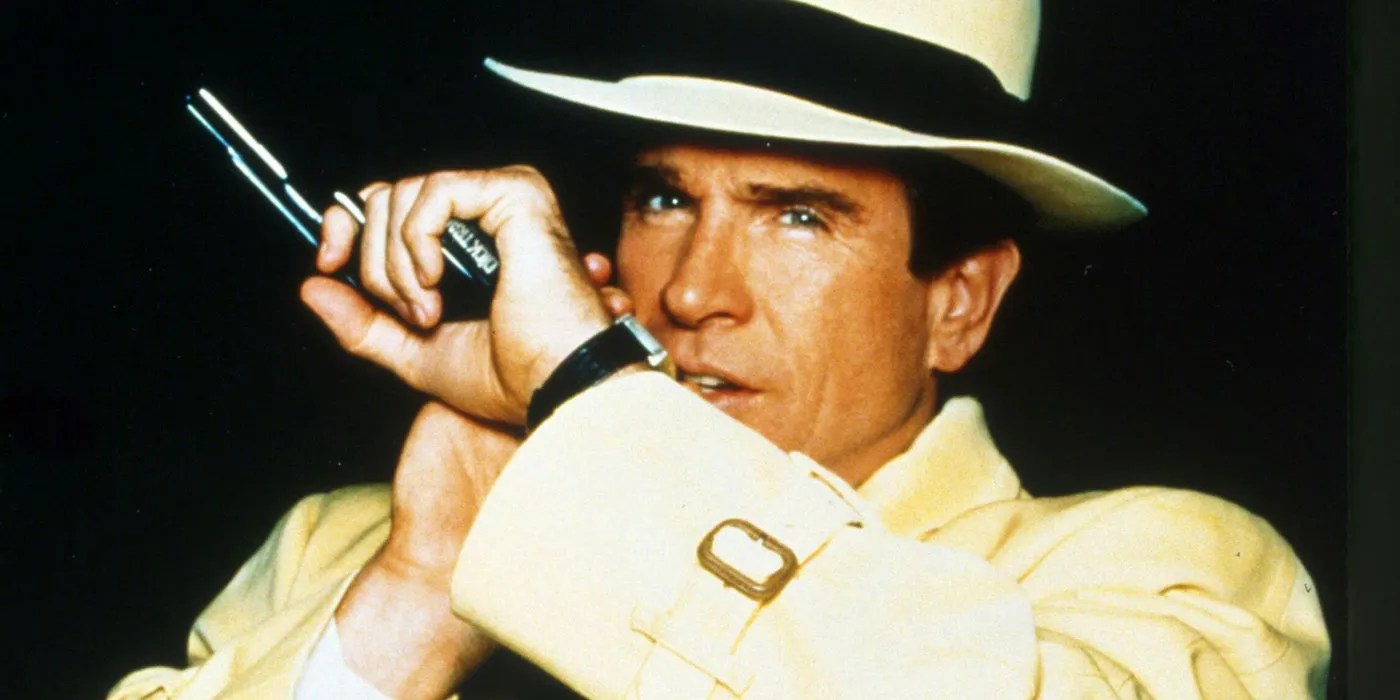
Dick Tracy: Released in 1990, Dick Tracy stars Warren Beatty as the titular comic strip detective. The film follows Tracy as he contends with the seductive advances of Breathless Mahoney, played by Madonna, while simultaneously confronting the powerful mob boss Big Boy Caprice.
Before superhero films were a popular and surefire way to get audiences into theaters, there was doubt about the success such films would be able to have. It wasn’t until films like Warren Beatty’sDick Tracy, that stories based on comic material were approved of. Based on the comic strip from the 1930s,Dick Tracyshows the titular detectives' pursuit of a local crime boss known as Big Boy.

In addition toDick Tracyfinding success as a summer blockbuster at the box office, the film is mostly remembered for its visual style. Pulling inspiration from its comic strip source,Dick Tracyis uniquely vibrant. The colors of the film bounce off the screen, utilizing a palette of minimal colors such as red, green, and yellow. The performances inDick Tracyare also viewed fondly, particularly that of a prosthetic-covered Al Pacino as the cartoonish antagonist, Big Boy.
Snatch
Snatch is a comedic crime film by director Guy Ritchie that centers on several different groups of characters' paths that begin to cross after a missing diamond becomes central to their stories. From a fight promoter trying to make pay his bookie to a group of inept bank robbers that fumble a bookkeeping heist, a stolen diamond ends up in the stomach of a dog, setting off a hectic chain of violent but darkly comedic events.
As previously mentioned, Guy Ritchie is a well-known name in the world of British gangster films. Having gained inspiration from many great directors before him, Ritchie too makes an impact on the gangster genre. Ritchie’s second feature film,Snatch, follows various characters and storylines all involved in London’s criminal underworld. Admittedly, the film closely resembles details from his first film,Lock, Stock and Two Smoking Barrels, butthese continued themes inSnatchhelped cement Ritchie’s role in the gangster genre.
Ritchie’s films are known for their entertaining factor that keeps audiences coming back for more. His filmography is defined by a few key elements, including memorable characters, fast action, and a non-linear narrative or intertwining the stories of multiple characters, as shown inSnatch. Ritchie’s signature snappy dialogue also plays a large role in his success, andit’s what makesSnatchquotable.
The Sting
The Sting is a 1973 film directed by George Roy Hill, featuring Paul Newman and Robert Redford as con artists who team up to execute a complex scam against a powerful mob boss. Set in the 1930s, the film intricately combines elements of suspense, deception, and humor. It was well-received for its engaging plot and period-authentic production design, going on to win multiple Academy Awards, including Best Picture.
The acclaimed caper film,The Sting, revived an interest in the subgenre. Starring the short-lived, butmighty duo of Paul Newman and Robert Redford,The Stingfollows their characters as they work to con Robert Shaw’s mob boss.The Sting, like many crime-related films, is entertaining and smart, but its screenplay is its greatest strength. David S. Ward’s writing earned the film Best Original Screenplay at the Academy Awards becauseThe Sting’s story is undoubtedly clever and well-executed.

The plot ofThe Sting, full of twists and turns, keeps audiences on their toes for the entirety of the film. It’s an accomplishment that seemed effortless and had many following heist movies aiming to replicate it. However, part of what makesThe Stinggripping is its leading performances by Newman and Redford. The duo’s on-screen talents warmly invite audiences to be part of their con mission, encouraging an engaged viewing experience.
A History of Violence
A History of Violence, directed by David Cronenberg, follows a quiet family man whose life changes dramatically after he becomes a local hero following an act of self-defense. As media attention grows, his past comes back to haunt him, revealing hidden truths and impacting his family’s perception of him.
A loose adaptation of the DC graphic novel of the same name,A History of Violencesees its main character, Tom (Viggo Mortensen) confront his past when he’s deemed a local hero in his small town. It’s not true that every gangster movie romanticizes violence, but many do. Brutal violence is often a means to an end in these films and that’s whereA History of Violencestarts to differ.
A History of Violencehas gained high levels of praise for its writing and performances
The violence in David Cronenberg’s film is a result of Tom’s past, showcasing the cyclical nature of such actions. Cronenberg puts audiences in a thought-provoking position by asking if they applaud Tom’s use of violence, are the consequences equally worth celebrating? Since its release,A History of Violencehas gained high levels of praise for its writing and performances, including one of thebest performances from Mortensen.
